Project
Melksham East Storage
Melksham, Wiltshire
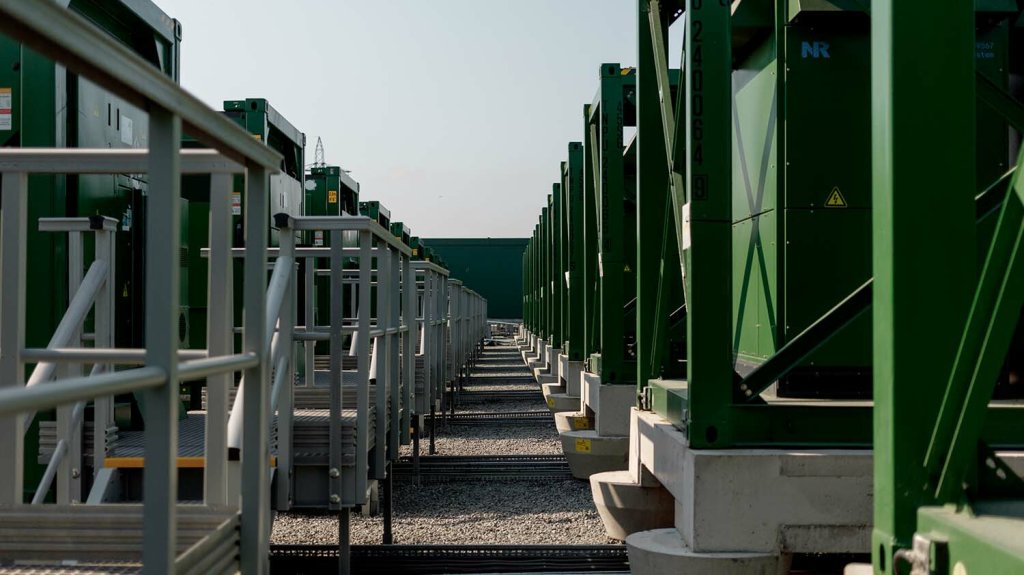
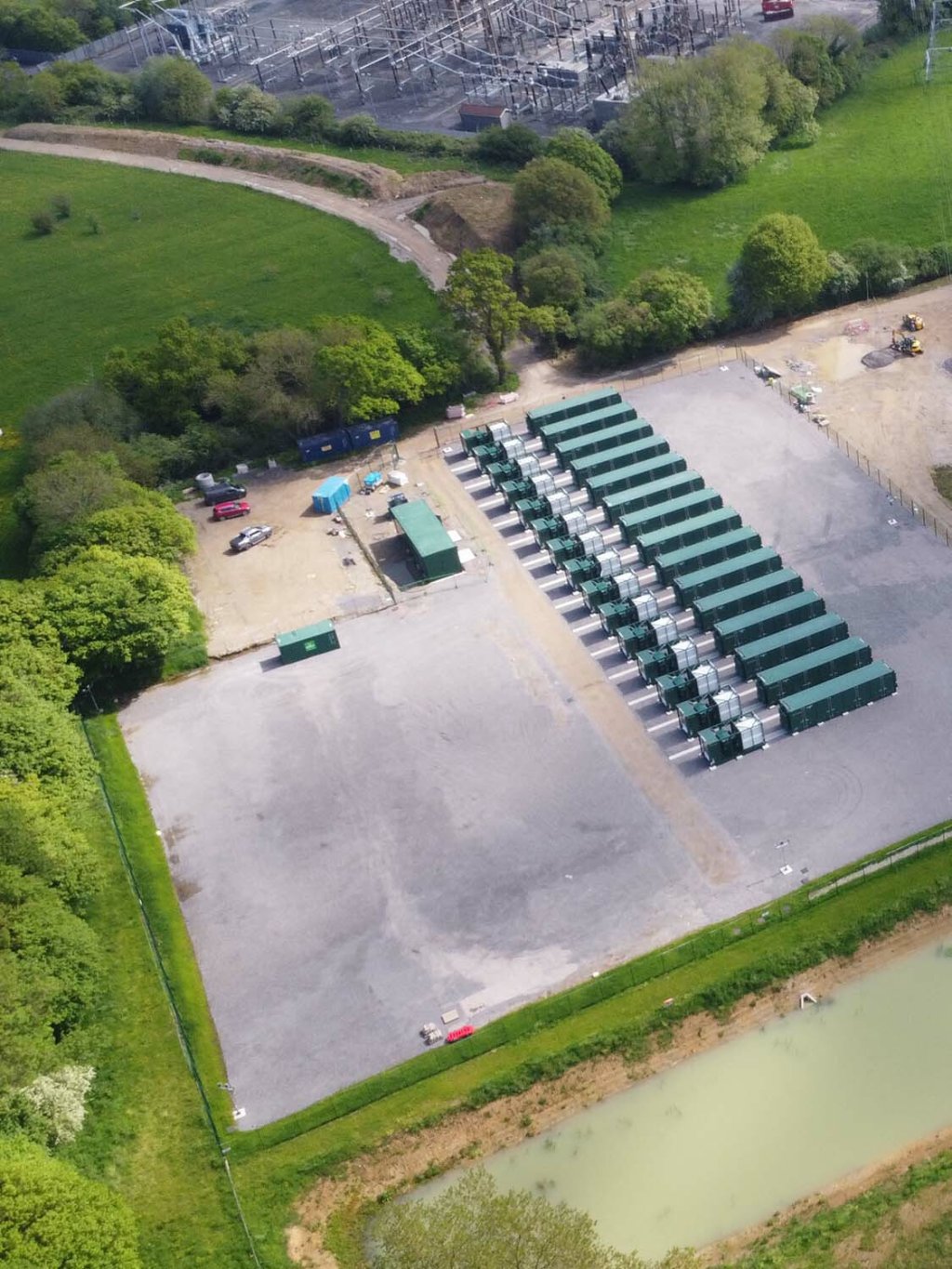
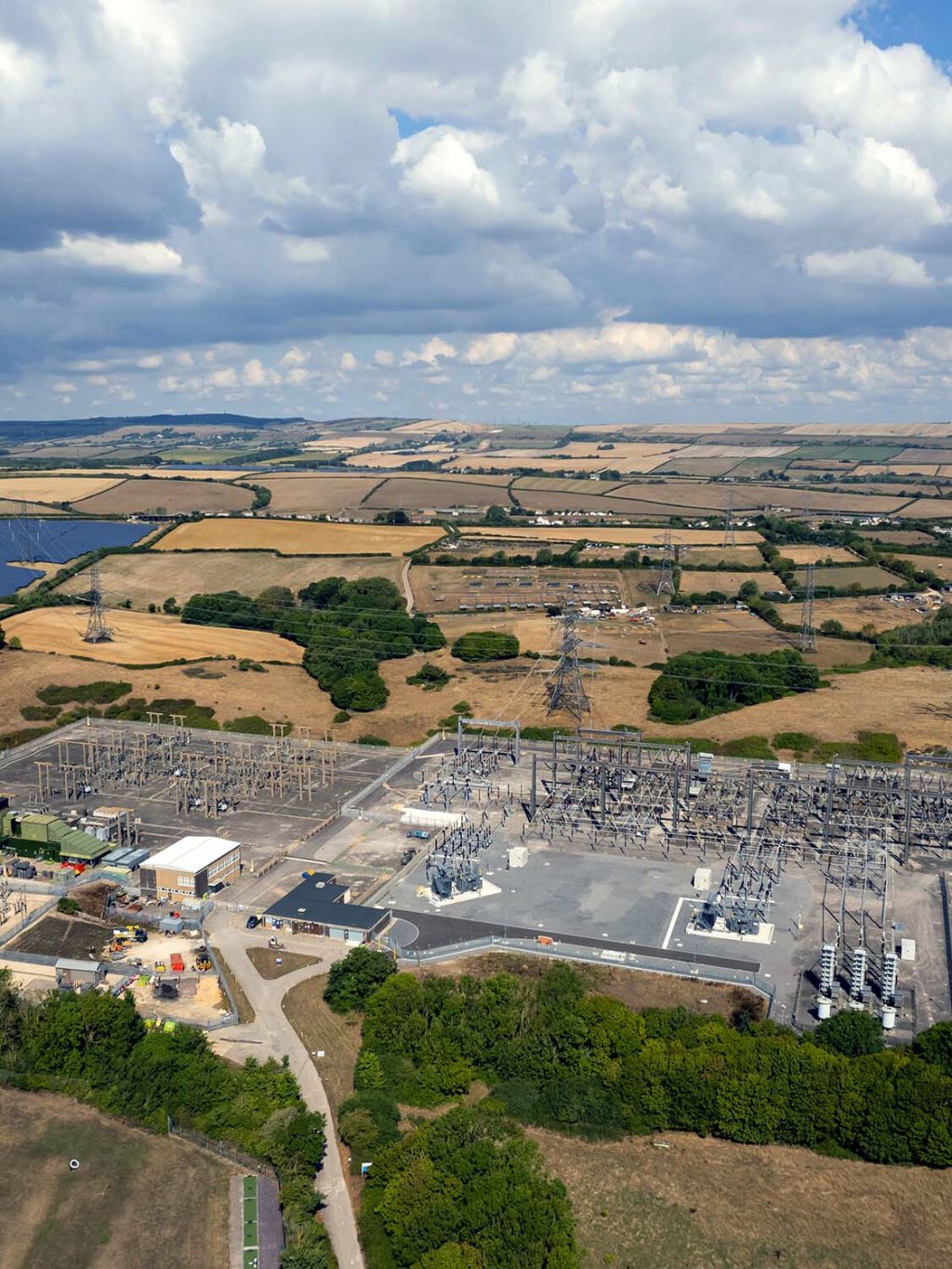
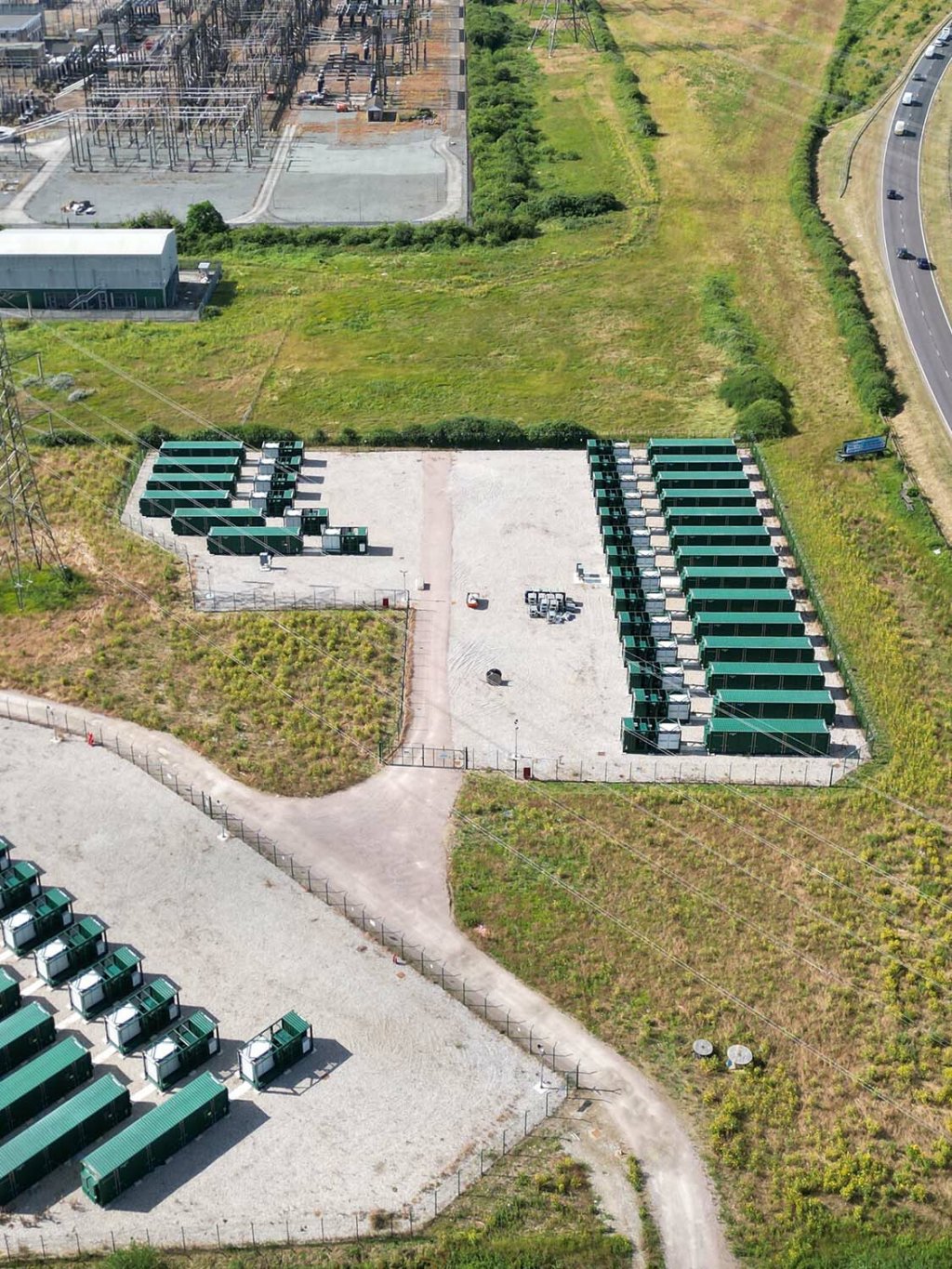
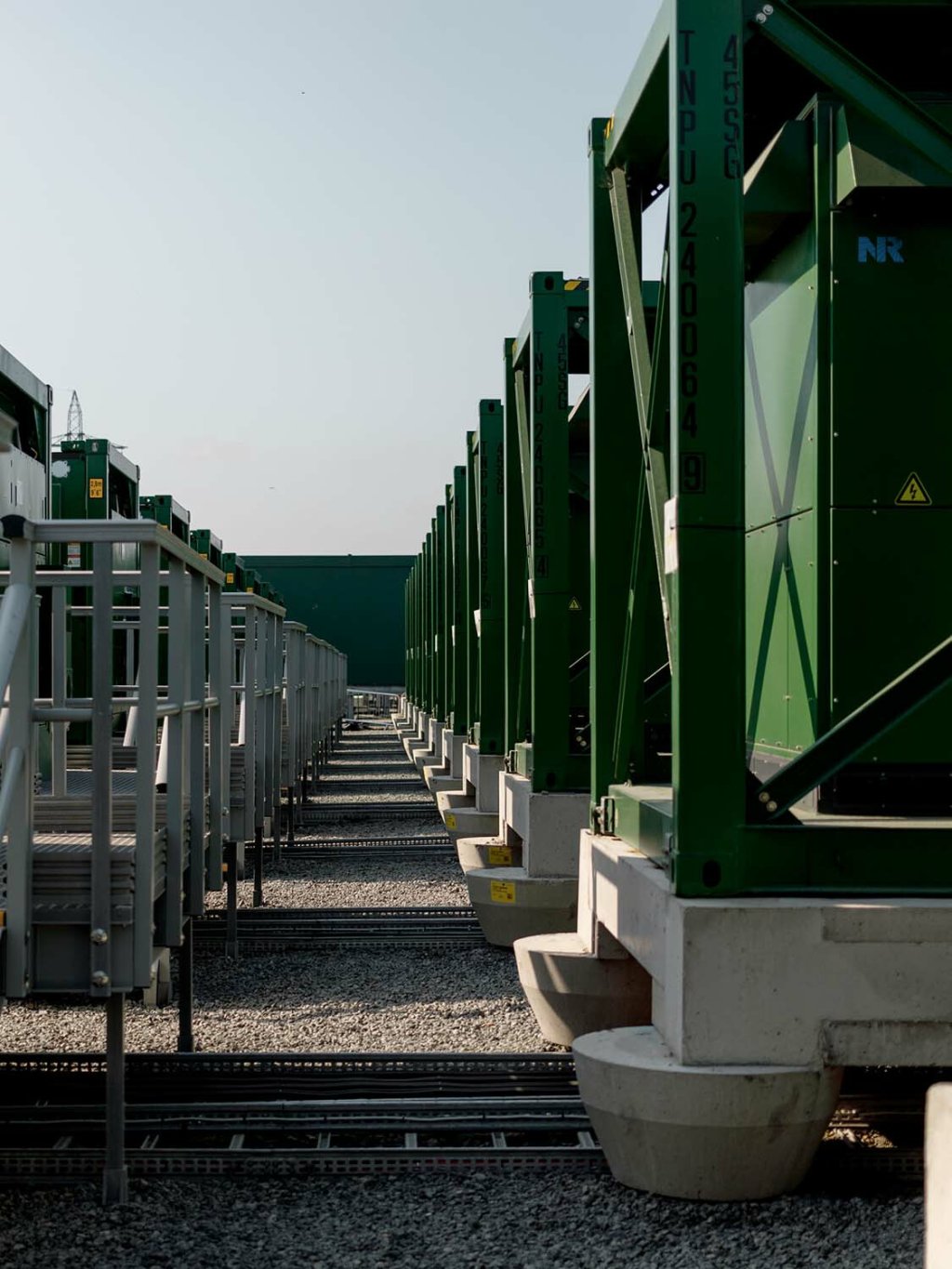
Melksham East Storage is located near Melksham in Wiltshire. With a peak output of 50MW, it has the potential to power over 160,000 average UK homes for up to 1 hour.
The project was developed and built out under an EPCM contract by Statera Energy. The project is owned by Gresham House Energy Storage Fund plc (GRID). Once operational it will be maintained under an O&M contract by Statera Energy Operations.

Services
Capacity Market
Two auctions are held yearly to disburse capacity contracts 1 and 4 years ahead of delivery for keeping generation capacity ready for response.
Providers are paid an availability payment for being connected. New build generators can apply for a 15-year contract in the T-4 auction while existing generators or those able to reduce demand can apply for a one-year contract in the T-1 auction. To ensure delivery, there are stringent rules to prequalify and meet the various milestones required to participate in the Capacity Market.
All of Statera’s assets are designed to deliver this reserve service to National Grid.
Wholesale power markets
The Wholesale Market is the primary market for wholesale electricity trading between generators and suppliers. Electricity can be traded from years ahead up to one hour ahead of the delivery. Flexible technologies such as batteries and gas reciprocating engines are mainly targeting short-term trading by providing real-time flexibility to help balance the system. Therefore, they trade mainly in day-ahead to intraday markets.
Day-ahead hourly, half-hourly and intraday auctions
Within-day power markets on the intraday exchange
Frequency response
Providers are awarded an availability payment at different contract durations. Fast-responding technologies such as batteries are best suited to provide services in real time.
Dynamic Containment (DC), Dynamic Moderation (DM) and Dynamic Regulation (DR): A new suite of products used by National Grid. It is a fast-acting service (DC for post-fault management and DM&DR for pre-fault) to ensure frequency remains within the statutory range of +/-0.5Hz in the event of sudden demand drop or supply surge on the grid.
Firm Frequency Response (FFR): FFR is a real-time continuous frequency balancing service, managing system frequency deviations on a minute-by-minute basis.
Balancing Mechanism
This is to respond to events including power station trips, demand surges and intermittent renewable generation. Flexible technologies such as batteries and gas reciprocating engines are well placed to provide real-time flexibility in the BM to help.