Technology
Hydrogen
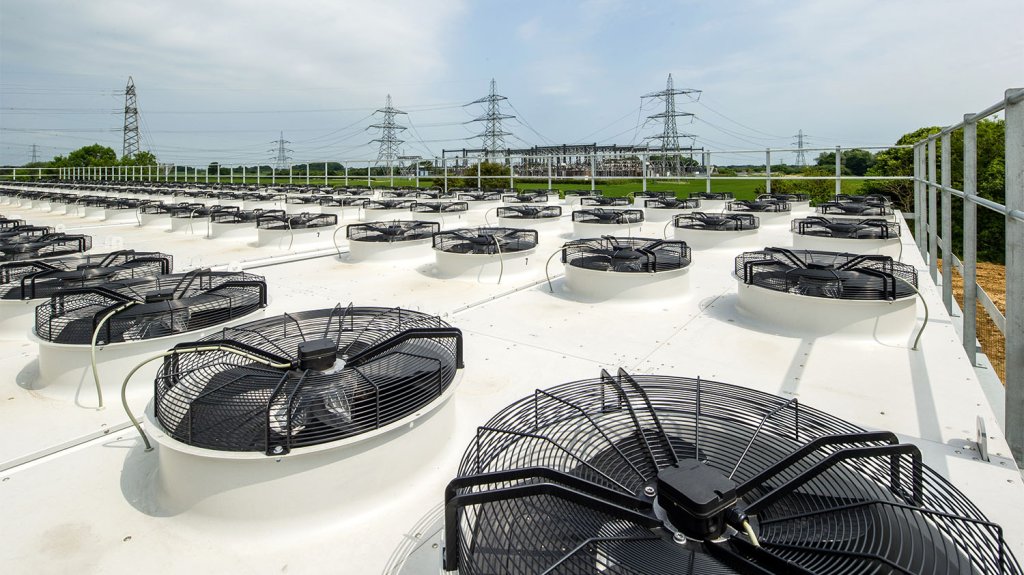
Strategically located green hydrogen projects could help ease constraints in Scotland and enable the whole of Great Britain utilise more clean energy.
What is Green Hydrogen?
Green hydrogen is a zero carbon fuel produced through the electrolysis of water, a process that splits water molecules into hydrogen and oxygen using electricity. When powered by renewable energy sources such as wind or solar, this process creates no carbon emissions. The resulting hydrogen can be combusted or used in fuel cells, producing only water as a byproduct. This makes green hydrogen a clean and sustainable energy source.
Statera plans to use advanced electrolyser technology that can respond rapidly to fluctuations in renewable generation. These electrolysers will ramp production up during periods of surplus renewable energy and down when supply is lower, ensuring efficient use of renewable power. The hydrogen produced can then be stored for future use, supporting both flexible generation and long-term energy security.
Our proposed hydrogen facility Kintore Hydrogen is set to be the largest of its type in Europe once built, supplying a large amount of green hydrogen to the UK gas network.
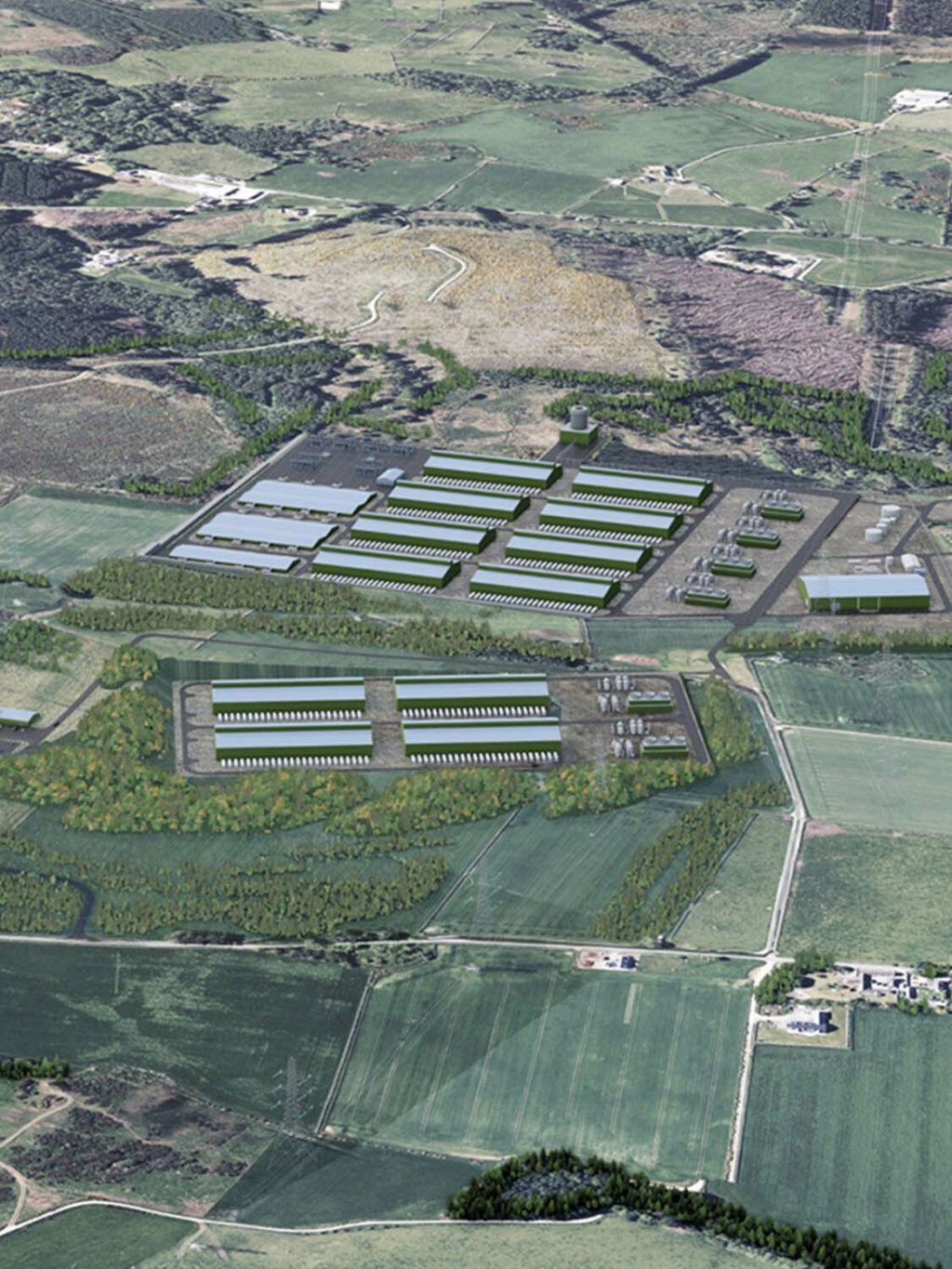
How We Plan to Use Green Hydrogen
Using green hydrogen in combination with flexible generation provides low carbon, interseasonal storage – critical for balancing the grid. Statera’s green hydrogen will be used to decarbonise some of the most challenging sectors, including heavy industry and power generation. Initially, hydrogen from the Kintore Hydrogen project will be blended with natural gas and distributed through existing pipelines, allowing for rapid and efficient deployment. Over time, it will be delivered via a dedicated hydrogen network to industrial hubs such as Grangemouth and Teesside.
The hydrogen produced can also be stored in geological formations such as salt caverns, providing large scale, long duration energy storage. When renewable output is low, the stored hydrogen can power flexible generation plants, ensuring a stable supply of low carbon electricity and supporting grid reliability.
Benefits of Green Hydrogen
Decarbonising Heavy Industry
Green Hydrogen replaces carbon-based fuels across multiple sectors, helping to decarbonise heavy industry, such as chemicals and steel.
Seasonal Energy Storage for a Resilient Grid
Its ability to store energy over long periods provides a vital solution to the seasonal variability of renewable sources, contributing to a secure and resilient energy system.
Driving the UK’s Clean Power and Hydrogen Network Goals
Projects like Statera’s Kintore Hydrogen are crucial to achieving the UK’s climate and energy security goals. By producing low cost green hydrogen at scale, the project supports the UK’s target of reaching clean power by 2030 and builds the foundation for a national hydrogen pipeline network.
Boosting the Economy and Cutting Fossil Fuel Dependence
In addition to environmental benefits, green hydrogen development brings economic value by stimulating investment, creating high skilled jobs, and reducing reliance on imported fossil fuels.