Technology
Battery Storage
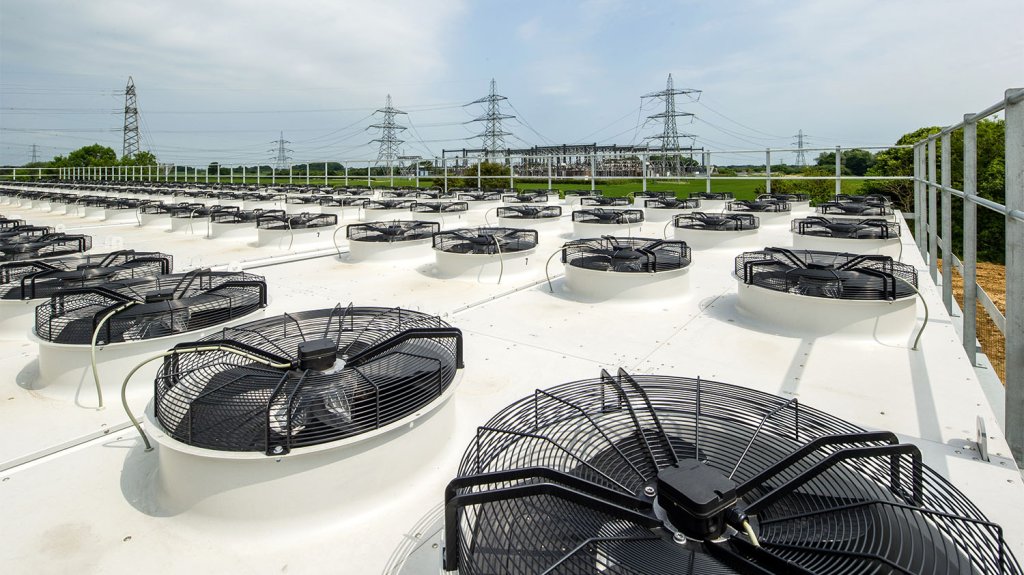
Statera Energy was a first mover in battery storage, and we have long recognised the role that Battery Energy Storage Systems (BESS) will play in creating a renewables-led power system.
What is Battery Storage?
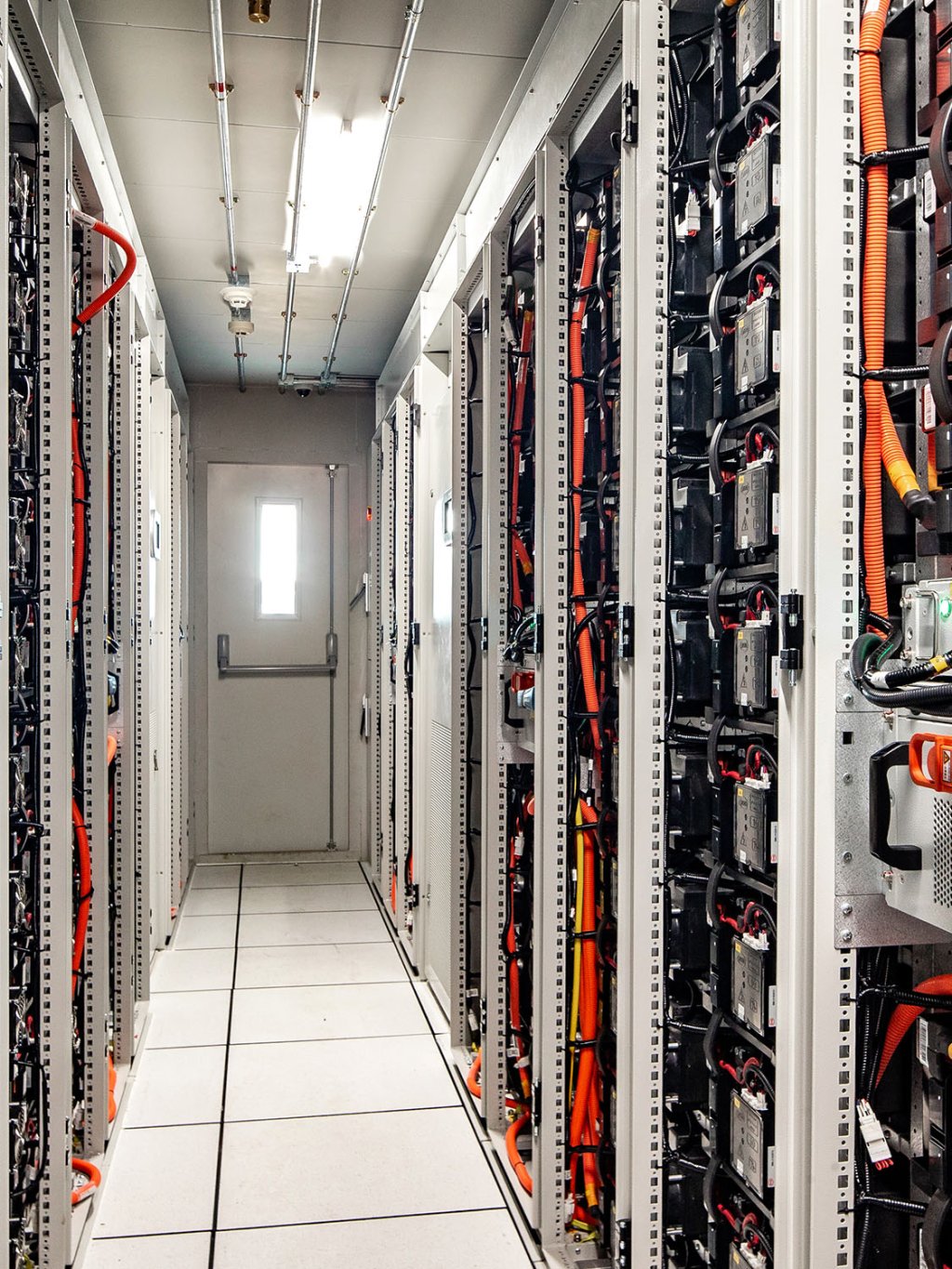
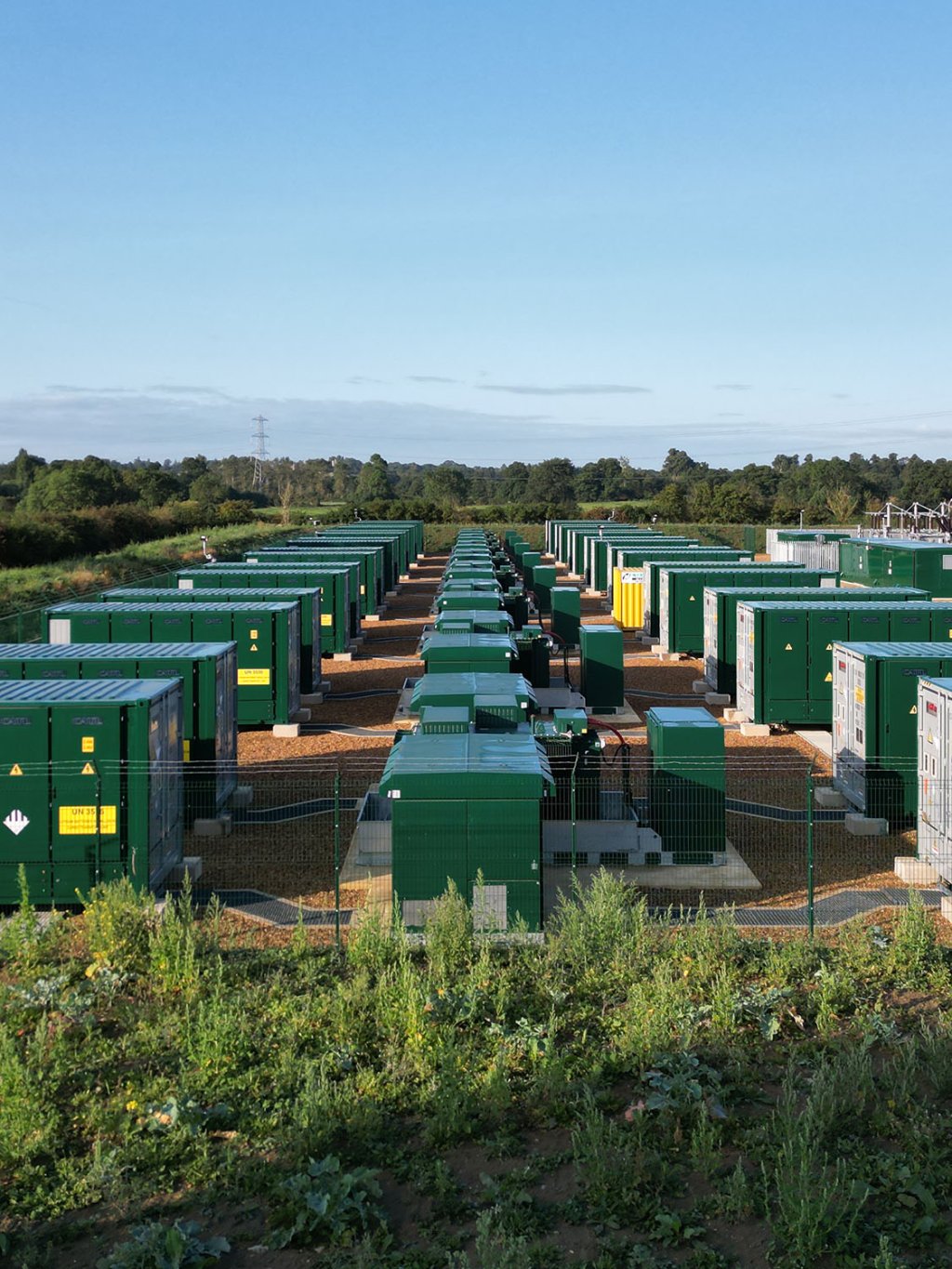
Battery Energy Storage Systems (BESS) are large installations that store electricity using lithium-ion battery technology, similar to that which is found in smartphones, laptops, and electric vehicles, but on a much bigger scale.
These systems charge when there is surplus renewable energy (e.g. during high wind or solar output) and transfer energy back to the grid when demand exceeds generation. This flexibility is key to ensuring domestic and industrial demand for energy can continue to be met in a low-carbon electricity system dominated by weather-dependent renewables.
How we use Batteries
Our battery systems are designed to deliver an efficient and reliable service that can adapt to market conditions. The BESS we develop can provide super-fast, sub second responses to demand and generation changes. This allows us to provide short duration grid support through the Balancing Mechanism as well as other vital grid services, such as frequency response, to maintain the grid frequency at 50Hz.
Statera’s BESS sites comply with a strong regulatory framework overseen by the UK Health and Safety Executive (HSE). In addition, we regularly engage with Government, the National Fire Chiefs Council, health and safety professionals and other developers to share best practice on safety.
The Benefits of Batteries
Renewable Integration and Decarbonisation
By mitigating the variability of wind and solar output, battery systems enable greater use of renewable energy and reduce reliance on fossil fuel generation. Statera’s infrastructure directly supports the UK’s decarbonisation goals, including the ambition to achieve a clean power system by 2030.
Cost-Effectiveness
BESS bring economic benefits by storing low‑cost surplus electricity and releasing it during times of high demand. This helps to displace more costly forms of generation, such as CCGT’s, thereby reducing costs to consumers in the wholesale markets. Critically BESS is an unsubsidised technology and therefore receives less support than wind, solar, and even gas generation, therefore making one of the most cost-effective technologies available today.
Energy Security
BESS allows UK to use more of its home-produced energy (i.e. wind and solar). This increases energy security and reduces the reliance on volatile international commodity markets.
Grid Stability and Flexibility
BESS provide rapid frequency regulation and balancing services, reacting far quicker than traditional power sources. This enables them to smooth fluctuations in supply and demand, helping to maintain a stable and reliable electricity grid.
Scalability and Evolving Applications
Battery technology is scalable and continues to advance rapidly. New developments offer longer‑duration capabilities, with some systems now able to supply electricity for eight hours or more. Statera is leading the way by developing a number of the UK’s longest‑duration battery schemes and demonstrating how energy storage is evolving to meet future demand.