The renewable energy challenge
Solar and wind are intermittent

The UK Government has committed to a net zero economy by 2050 and has set ambitious targets for the transition to renewable energy to deliver these carbon emission savings. As a result, by 2030 the UK will have to fundamentally change how its power system operates.
Renewable energy is intermittent
Renewable energy generation is low cost and carbon free but its output is intermittent and constantly fluctuating.
The seasonal nature of both solar and wind output means they cannot be relied upon to perfectly meet the electricity demand all year round. This can result in too much renewable generation in the summer months and insufficient generation in the winter months, when energy demand is at its highest.
What happens to excess?
When electricity supply exceeds demand or network constraints limit output, generators must curtail production to keep the system balanced - resulting in additional costs passed on to consumers.
Today shortfall is largely filled by carbon emitting power sources
Currently we make up the shortfall in renewable output using flexible generation, however, these sources are mainly carbon emitting.
Significant increases in low-carbon flexibility will be critical for balancing supply and demand, thereby reducing system costs as well as carbon emissions.
By storing excess renewable energy the UK can meet demand all year round
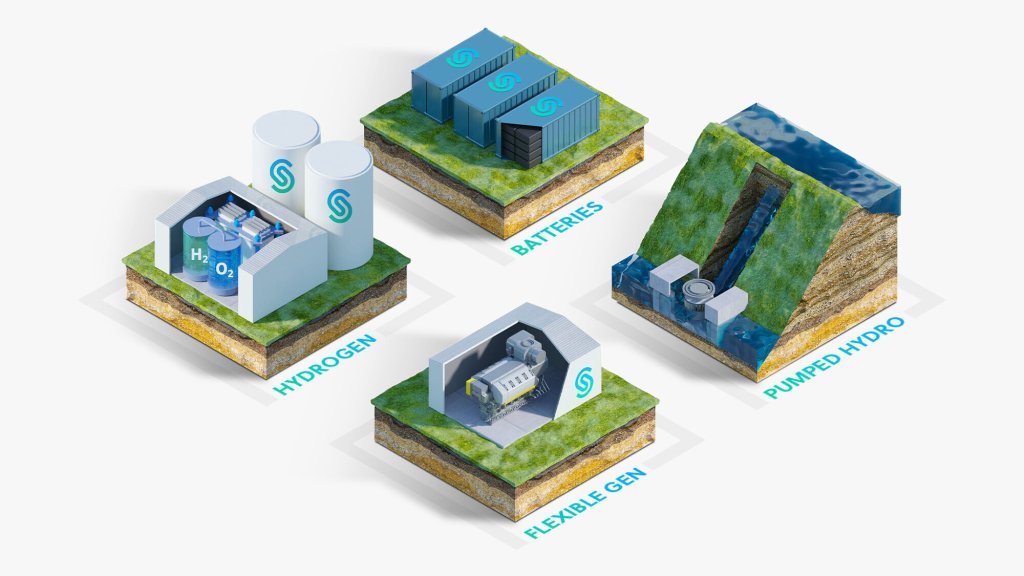
A range of flexible storage technologies are needed to accommodate the constantly fluctuating renewable output.
The stored energy can be then be exported during periods of low renewables generation, or at times of peak demand, to keep the system in balance and ensure the security of the UK’s energy supply all year round.
A balanced high renewables electricity system will:
Provide energy security
Reduce carbon emissions
Reduce cost for consumers