Project
Thurrock Storage
Tilbury, Essex
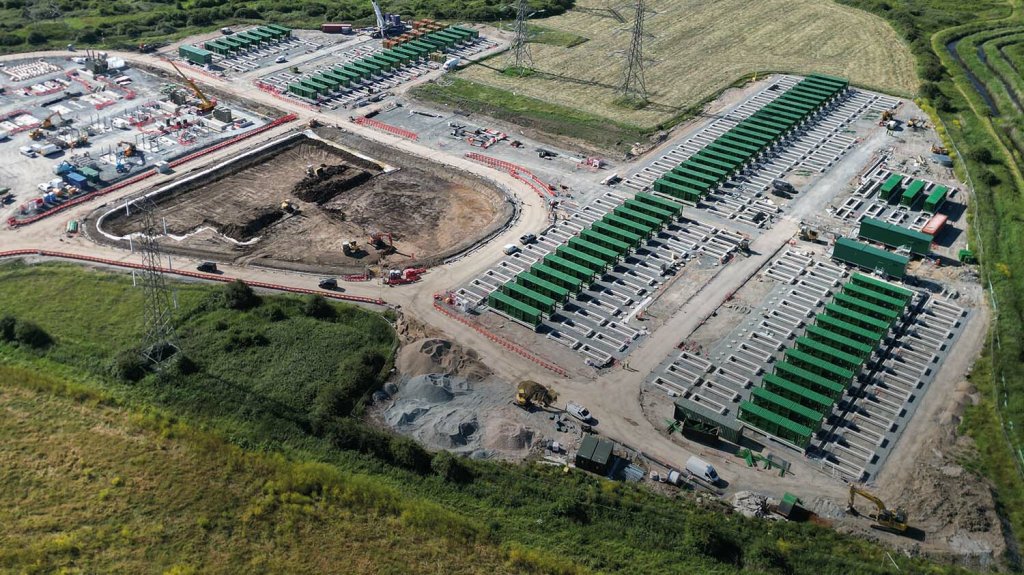
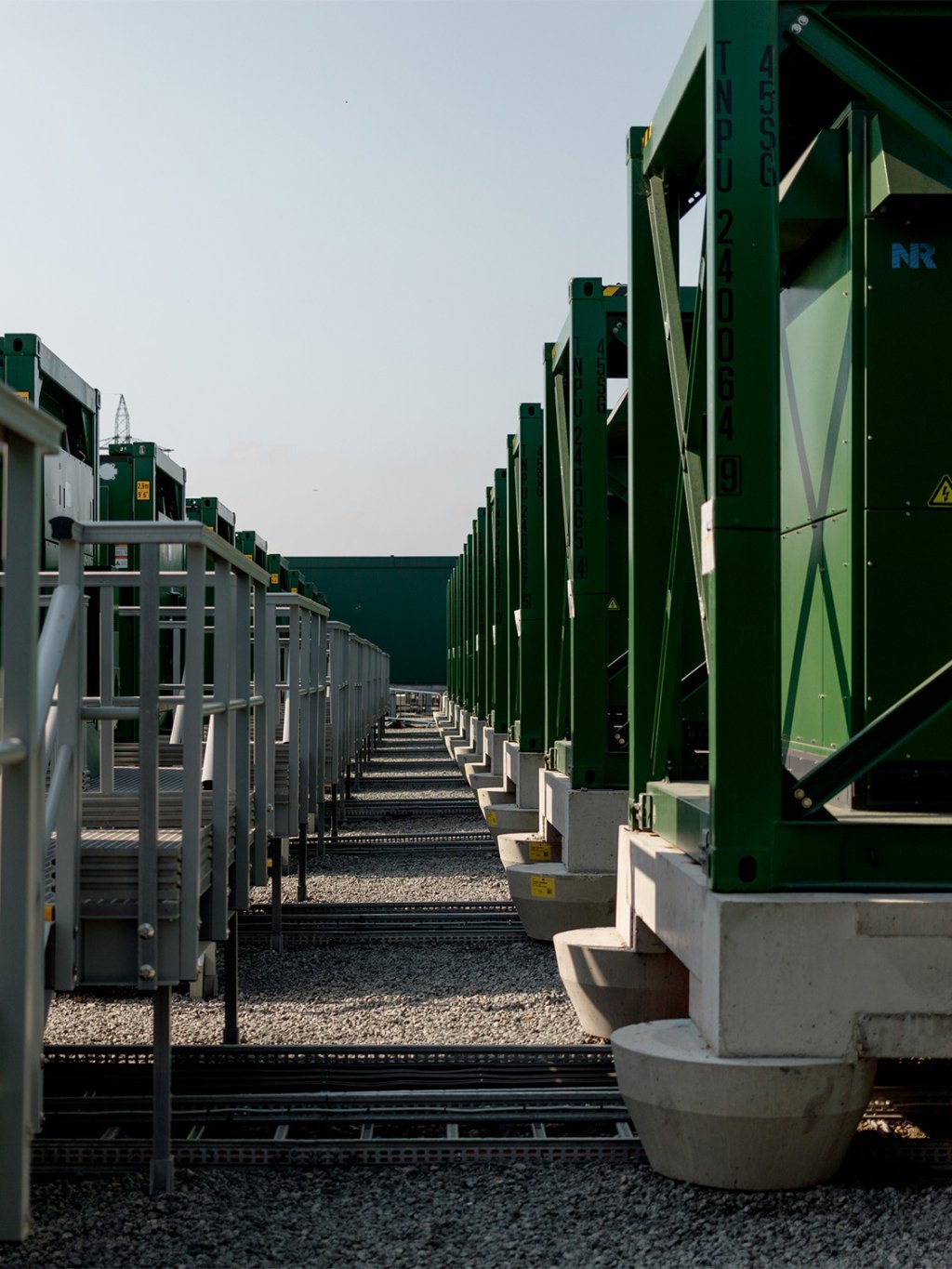
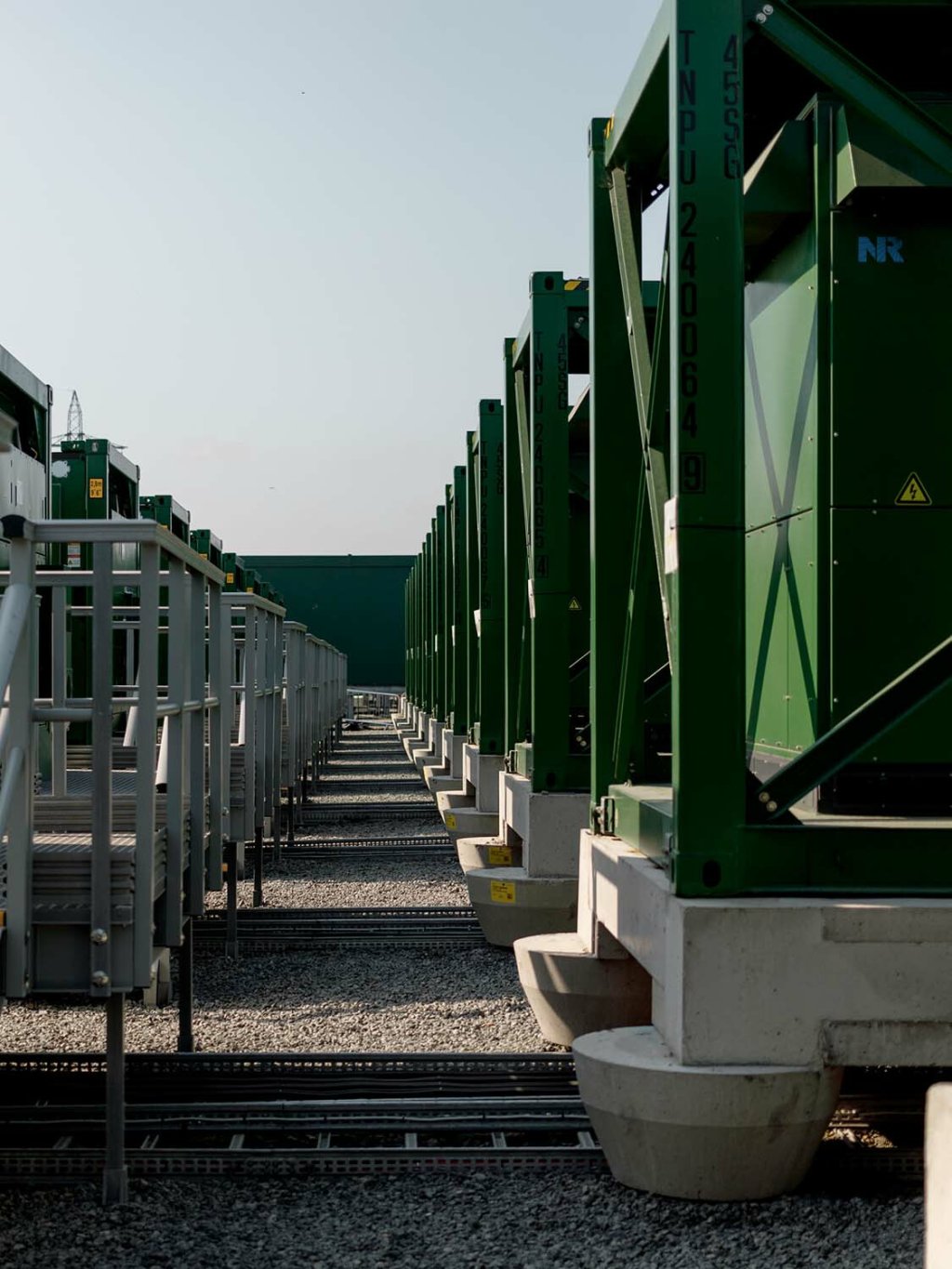
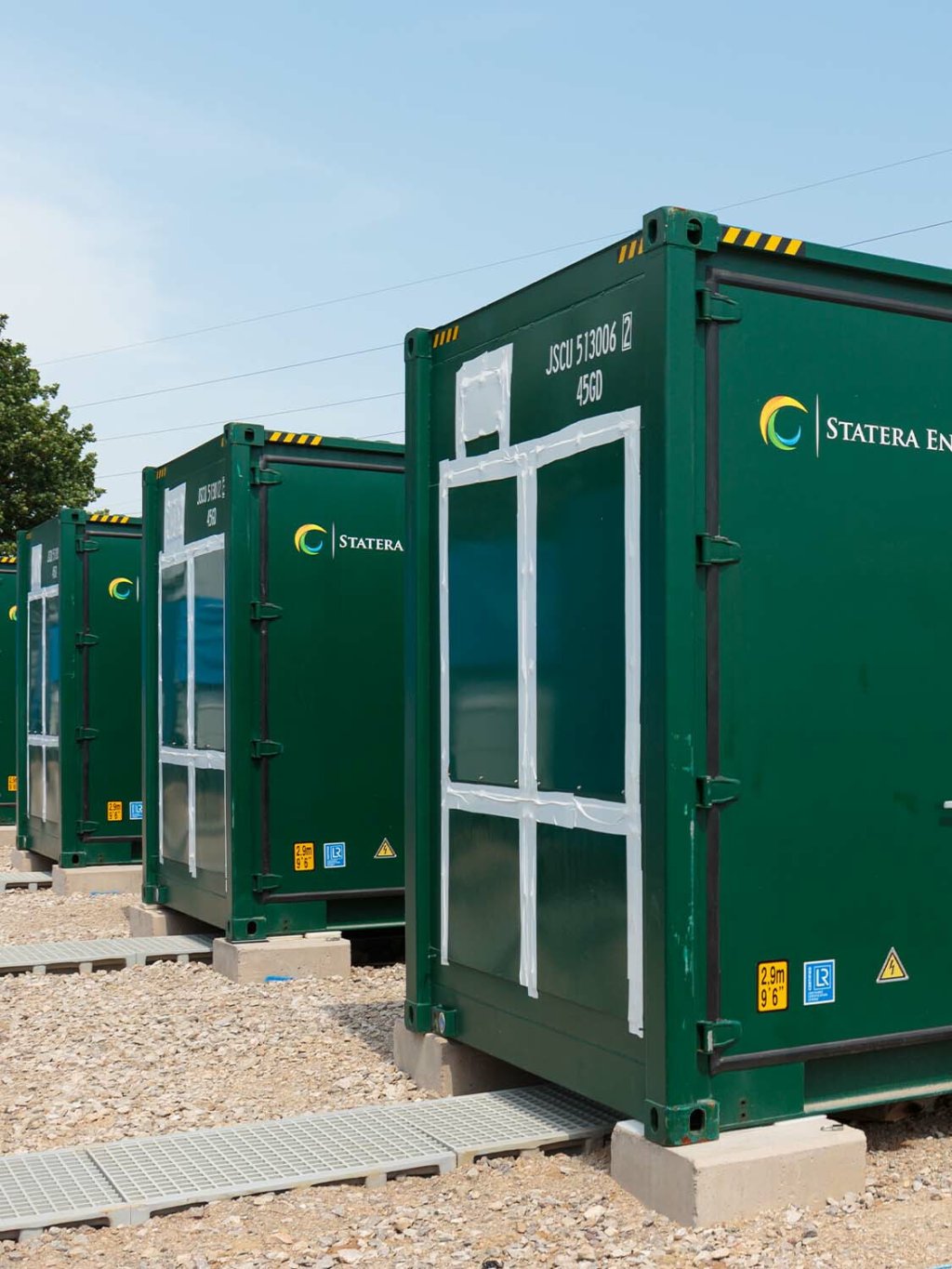
Strategically located close to London, Thurrock Storage will play a significant role in maintaining the UK’s energy security. It facilitates the immediate and efficient deployment of energy directly where it is most needed, significantly enhancing grid stability and resilience. The site is also located immediately north of the former Tilbury coal power station, the site’s legacy to enable the clean energy transition.
Thurrock Storage is capable of powering up to 970,000 homes with instantaneous power over two hours. Thurrock Storage can respond rapidly to changes on the grid, delivering its full output of up to 600MWh within seconds.
Thurrock Storage sits alongside Thurrock Flexible Generation, a 450MW flexible generation plant, which delivers a more cost-effective and flexible backup to the grid, at times when there are extended shortfalls in renewable output.
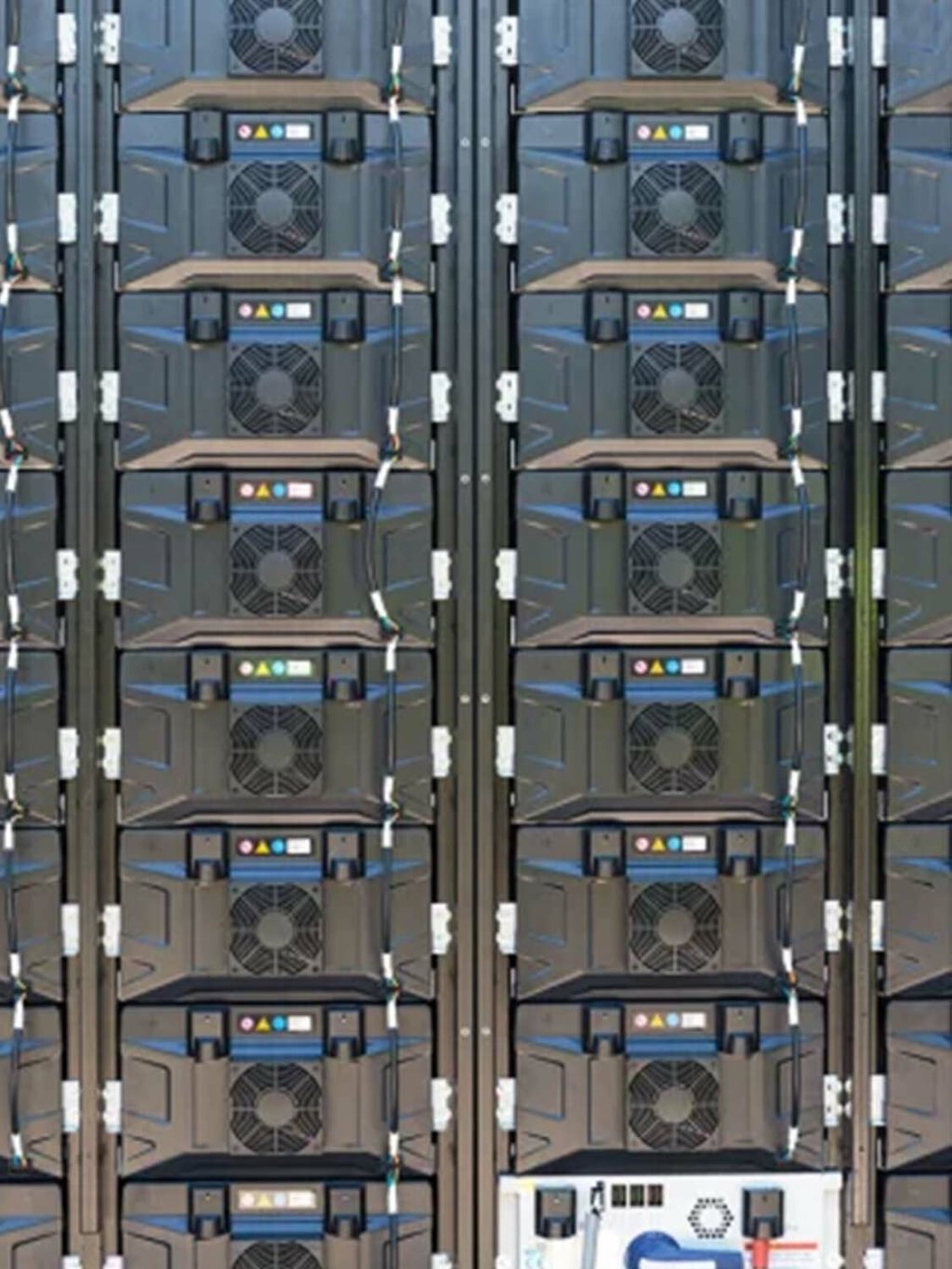
Statera Energy’s battery systems are developed using proprietary control logic, and designed to deliver the most efficient, reliable service that can adapt to the various market conditions to help provide a secure supply of electricity to the end consumer at the lowest cost.






Services
Capacity Market
Two auctions are held yearly to disburse capacity contracts 1 and 4 years ahead of delivery for keeping generation capacity ready for response.
Providers are paid an availability payment for being connected. New build generators can apply for a 15-year contract in the T-4 auction while existing generators or those able to reduce demand can apply for a one-year contract in the T-1 auction. To ensure delivery, there are stringent rules to prequalify and meet the various milestones required to participate in the Capacity Market.
All of Statera’s assets are designed to deliver this reserve service to National Grid.
Wholesale power markets
The Wholesale Market is the primary market for wholesale electricity trading between generators and suppliers. Electricity can be traded from years ahead up to one hour ahead of the delivery. Flexible technologies such as batteries and gas reciprocating engines are mainly targeting short-term trading by providing real-time flexibility to help balance the system. Therefore, they trade mainly in day-ahead to intraday markets.
Day-ahead hourly, half-hourly and intraday auctions
Within-day power markets on the intraday exchange
Frequency response
Providers are awarded an availability payment at different contract durations. Fast-responding technologies such as batteries are best suited to provide services in real time.
Dynamic Containment (DC), Dynamic Moderation (DM) and Dynamic Regulation (DR): A new suite of products used by National Grid. It is a fast-acting service (DC for post-fault management and DM&DR for pre-fault) to ensure frequency remains within the statutory range of +/-0.5Hz in the event of sudden demand drop or supply surge on the grid.
Firm Frequency Response (FFR): FFR is a real-time continuous frequency balancing service, managing system frequency deviations on a minute-by-minute basis.
Balancing Mechanism
This is to respond to events including power station trips, demand surges and intermittent renewable generation. Flexible technologies such as batteries and gas reciprocating engines are well placed to provide real-time flexibility in the BM to help.